
Avoid IP Changes with Static Residential Proxy Solutions
In today’s digital landscape, maintaining a consistent online presence is crucial for businesses and individuals who rely on web scraping, data mining, or accessing geo-restricted content. One common challenge faced in these activities is the frequent change of IP addresses when using dynamic residential proxies. This can lead to interruptions, blocked access, or even complete bans from target websites. To overcome this issue, static residential proxy solutions have emerged as a reliable alternative that ensures stability and continuity without compromising anonymity.
Dynamic residential proxies assign different IP addresses each time you connect or after a certain period. While this approach helps distribute traffic and reduce the risk of detection by websites, it also introduces unpredictability. Changing IPs can disrupt ongoing sessions or cause authentication problems if the website detects sudden shifts in location or device identity. For businesses conducting sensitive operations such as price monitoring, ad verification, or brand protection, these disruptions can result in inaccurate data collection and operational inefficiencies.
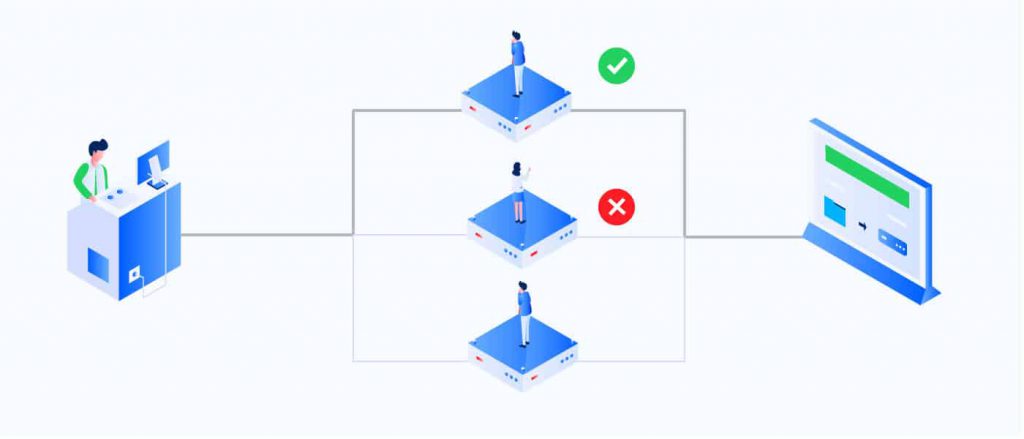
Static residential proxies provide a fixed IP address sourced from real residential locations rather than data centers. This means users retain the same IP for extended periods while still benefiting from the legitimacy associated with residential networks. Because these proxies mimic genuine user behavior more closely than their dynamic counterparts, they are less likely to trigger anti-bot mechanisms employed by websites. The consistency offered by static IPs allows for seamless browsing experiences and uninterrupted access to targeted resources.
Another significant advantage of static residential proxies is their ability to maintain session persistence across multiple requests or interactions with a website. This feature is particularly valuable when logging into accounts that require continuous verification or when performing tasks that depend on stable connections such as automated testing and social media management. By avoiding frequent changes in IP addresses, users minimize suspicion and reduce the likelihood of being flagged as suspicious activity.
Moreover, many providers offer customizable options that allow clients to select specific geographical locations for their static residential proxies. This capability enhances targeting precision for localized marketing campaigns or region-specific research without sacrificing reliability due to fluctuating IPs.
In conclusion, avoiding unwanted IP changes through static residential proxy solutions offers substantial benefits in terms of reliability, security, and efficiency during online operations requiring steady internet identities. As digital ecosystems grow increasingly complex with advanced detection techniques deployed by websites against bots and scrapers alike, choosing stable proxy services becomes essential for sustained success in various industries reliant on uninterrupted web access and accurate data acquisition efforts.